What is an IRA and How to Use It

What Are the Advantages of Leasing vs. Buying a Car?
Understanding Credit Card Interest Rates And Hidden Fees

Understanding the Difference Between Deductions and Credits
What Happens When You Miss a Credit Card Payment?
Have you ever had one of those months where everything seems to pile up, and somehow, your credit card payment slips your mind? It happens more often than you think. But before considering it a big deal, let's discuss what happens when you miss a payment. Spoiler alert: it's not just a late fee. Your credit score, interest rates, and financial future can take a hit. Let's break it down step by step.
The Immediate Consequences
The moment you miss a credit card payment, your credit issuer notices. Most credit card companies have a grace period—usually a few days—before officially marking your payment as late. But if you go past that, here's what kicks in:
Late Fees Add Up
The first thing you'll see is a late payment fee, anywhere from $25 to $40. If this isn't your first time missing a payment, the penalty could be even steeper. Some credit card companies waive the first late fee as a courtesy, but don't count on that every time.
Increased Interest Rates (Penalty APR)
Missing a payment can trigger a higher interest rate, known as a penalty APR. Your usual interest rate might be 16-20%, but with a penalty APR, that could jump to 29.99% or more. Worse, this higher rate can apply to your entire balance, not just the late payment.
No More Grace Period
Typically, when you pay your balance in full each month, you avoid interest charges because of the grace period. However, missing a payment could cancel that perk, meaning future purchases start accruing interest when you make them.
The Damage To Your Credit Score
Your credit score isn't just a random number; it's the key to getting loans, mortgages, or even a new job in some cases. One missed payment can damage it.
30-Day Late Mark on Your Credit Report
If you pay within a few days of the due date, you might get away with a late fee. But the credit bureaus get notified if you're more than 30 days late. That means an official late payment appears on your credit report.
Credit Score Drop
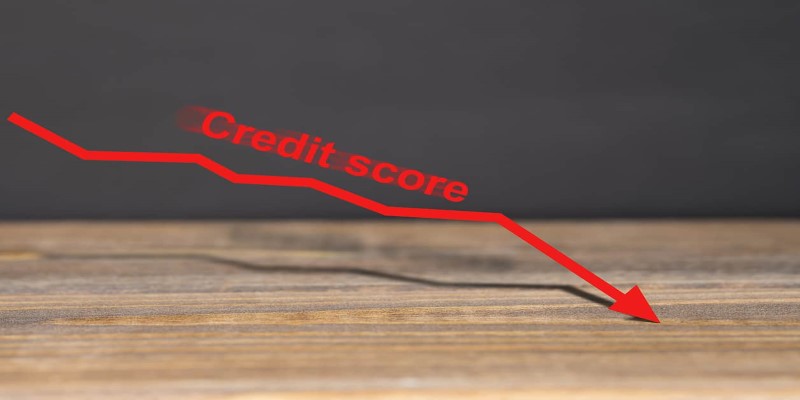
How much will your score drop? It depends. If you have a high credit score, missing one payment could slash your score by 50-100 points. If your credit history isn't strong, the impact might be less severe but still damaging.
Late Payments Stay on Your Report for Seven Years
Even if you quickly fix the situation, that missed payment doesn't just disappear. A late payment can stay on your credit report for up to seven years, making future credit applications more challenging.
What Happens If You Keep Missing Payments?
One missed payment is bad enough. But if you continue to miss payments, things get worse.
60+ Days Late? Your Interest Rate Gets Locked In
If you go 60 days without making a payment, that penalty APR isn’t temporary anymore—it becomes your new permanent rate on your existing balance. This means higher interest charges for months, or even years, to come.
90+ Days Late? Account Goes Into Default
At this point, your credit card issuer might close your account. This will prevent you from using your card and hurt your credit utilization ratio, further damaging your credit score.
Debt Collections Start Knocking
If you hit the 120-day mark, your credit card issuer might send your account to a collection agency. This is when you start getting those aggressive calls, emails, and letters demanding payment. Having an account in collections makes it even harder to recover financially.
The Long-Term Consequences
Missing a credit card payment doesn’t just cause short-term problems—it can haunt your finances for years.
Higher Loan Costs in the Future
A lower credit score means you’ll have a harder time getting approved for loans, and if you do get approved, your interest rates will be higher. That car loan or mortgage you’ve been planning for? It just got a lot more expensive.
Possible Credit Card Limit Reduction
Credit card companies periodically review accounts. If they see that you’ve missed payments, they might lower your credit limit, making it even harder to maintain a good credit utilization ratio.
Impact on Renting and Job Opportunities
Many landlords check credit scores before approving rental applications. A history of missed payments could make it more challenging to secure a lease. Some employers also check credit history, especially for financial positions, and a record of late payments could hurt your chances.
What Can You Do To Fix It?
If you realize you’ve missed a payment, don’t panic. Here’s how to fix the situation as quickly as possible:
Pay It Immediately
Even if you’re a few days late, paying right away can minimize damage. If you can’t afford the full balance, at least make the minimum payment to avoid further consequences.
Call Your Credit Card Company
If you have a good history with your issuer, they might waive the late fee or even prevent the penalty APR from kicking in. It never hurts to ask.

Set Up Auto-Pay
Setting up automatic payments is the easiest way to avoid missing payments. It prevents late fees and credit damage, even if it's just the minimum amount.
Monitor Your Credit Report
If a late payment has been reported, monitor your credit report. Some creditors may remove a late fee if it was a one-time mistake and you request a goodwill adjustment.
Catch Up on Payments Before 30 Days Pass
If you're only a few days late, you might avoid serious consequences by paying before the 30-day mark. This prevents late payments from appearing on your credit report.
Negotiate a Payment Plan
If you struggle to make payments, contact your credit card issuer and ask about hardship programs. Some lenders offer temporary relief, like lower interest rates or waived fees, to help customers get back on track.
Moving Forward
Missing a credit card payment isn’t just about a late fee—it’s about your financial reputation. Your credit score takes a hit, your interest rates can skyrocket, and you could end up in collections if you keep missing payments. The good news? You can recover. You can rebuild your credit over time by paying off your debt, communicating with your lender, and ensuring it doesn't happen again.
The best strategy? Avoid missed payments altogether. Set up reminders, automate payments, and monitor your finances. A single mistake can be costly, but with the proper steps, you can keep your credit in good shape and prevent future headaches. So, the next time you see a due date approaching, don’t ignore it—your future self will thank you.